

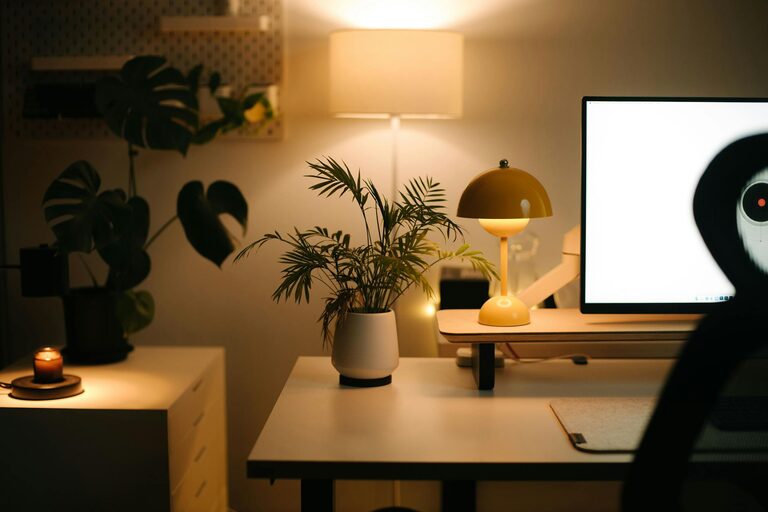
Creating a relaxing home office environment is essential for maintaining focus, productivity, and overall well-being while working from home. A thoughtfully arranged workspace can reduce stress and help you separate work time from personal time. Here are some practical tips to help you design a calming and efficient home office.
Choose the Right Location
Find a Quiet Spot
Select a space in your home that offers minimal distractions. Ideally, choose a room or corner away from busy areas like the kitchen or living room. This helps create a mental boundary between work and relaxation zones.
Maximize Natural Light
Position your desk near a window if possible. Natural light can improve mood and energy levels, reducing eye strain. If natural light is limited, use a soft, adjustable desk lamp to mimic daylight.
Invest in Comfortable Furniture
Ergonomic Chair
Your chair is critical since you’ll be sitting for extended periods. Look for a chair that offers good lumbar support, adjustable height, and cushioning to promote healthy posture and comfort.
Suitable Desk
Choose a desk at the right height and size to fit your workspace needs. Consider standing desks or adjustable desks to allow flexibility between sitting and standing, which can help prevent fatigue.
Organize Your Space Effectively
Keep it Clutter-Free
A tidy desk reduces distractions and helps you focus. Use organizers, trays, or drawers to store office supplies neatly. Clear your desk at the end of each day to maintain a fresh start.
Cable Management
Tangled cords and cables can make your workspace look messy and stressful. Use cable clips, sleeves, or ties to keep them organized and out of sight.
Add Personal and Calming Decor
Choose Soothing Colors
Soft, neutral colors like light blues, greens, or muted pastels can create a serene atmosphere. Avoid overly bright or harsh colors that might overstimulate.
Incorporate Plants
Adding some greenery can improve air quality and create a calming environment. Easy-care plants such as succulents, pothos, or snake plants work well for busy professionals.
Use Art and Personal Items
Display a few meaningful photos, artwork, or inspirational quotes that make you happy and motivated. Avoid overcrowding your space; choose pieces that bring positivity.
Optimize Lighting and Sound
Layer Your Lighting
Combine natural, overhead, and task lighting to reduce eye strain and create a warm atmosphere. Adjustable lamps allow you to change brightness depending on the time of day.
Control Noise
If you work in a noisy environment, consider noise-cancelling headphones or a white noise machine to block distractions. Soft background music or nature sounds can also boost concentration.
Incorporate Relaxation Elements
Take Breaks with Stretching or Meditation
Set timers to remind yourself to stand up, stretch, or practice deep breathing. Adding a small yoga mat or meditation cushion nearby encourages brief relaxation breaks.
Keep Water and Snacks Nearby
Staying hydrated and energized helps maintain focus. Place a water bottle and healthy snacks within reach to avoid unnecessary breaks.
Establish a Routine and Boundaries
Set Clear Work Hours
Having a consistent schedule helps your brain switch between work and personal time. Inform household members of your work hours to minimize interruptions.
Create a Shutdown Ritual
At the end of your workday, tidy your desk, turn off your computer, and step away from your workspace. This signals the end of the workday and helps you mentally disconnect.
—
By implementing these tips, you can transform your home office into a relaxing and productive environment. With the right setup, you’ll find it easier to stay focused and maintain a healthy work-life balance. Remember, the goal is to create a space that feels inviting and supports your well-being throughout the day.