

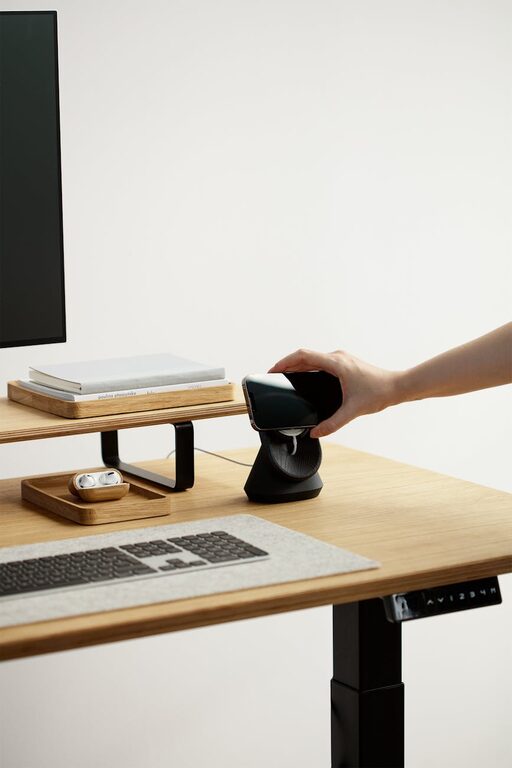
Creating a relaxing home office environment is essential for maintaining productivity and well-being while working from home. A cluttered or uncomfortable workspace can increase stress, reduce focus, and make it harder to separate work from personal life. By designing a space that promotes calmness and efficiency, you can improve your workday experience and overall mood. In this post, we’ll explore practical tips and ideas to help you create a soothing and functional home office.
Choose the Right Location
Find a Quiet Spot
Select an area in your home that is as quiet as possible. Avoid places with high foot traffic or distractions like the kitchen or living room if possible. A dedicated space helps your mind associate that spot with work and focus.
Consider Natural Light
Natural lighting can significantly improve your mood and productivity. Position your desk near a window to take advantage of daylight. If that’s not possible, invest in full-spectrum or daylight-mimicking lamps to brighten your workspace naturally.
Declutter and Organize
Keep Only Essentials
A cluttered desk can lead to a cluttered mind. Limit your desk items to what you use daily—computer, notepad, pens, and a few personal items. Store other materials away in drawers or shelves.
Use Storage Solutions
Invest in storage organizers like shelves, filing cabinets, or desk trays. Label files and containers to make everything easy to find. A tidy office reduces stress and saves time.
Create a Comfortable and Ergonomic Setup
Ergonomic Chair and Desk
Choose a chair that supports your back and allows your feet to rest flat on the floor. Adjust your desk and chair height so that your elbows are at a 90-degree angle when typing. This prevents strain and discomfort.
Monitor Positioning
Your computer screen should be at eye level and about an arm’s length away to reduce neck and eye strain. Using a monitor stand or adjustable arm can help achieve the correct placement.
Use Calming Colors and Decor
Select Soft, Neutral Colors
Colors can influence mood. Opt for soft, neutral shades like light blues, greens, or beige. These colors have a calming effect and can make your space feel welcoming without distraction.
Add Personal Touches
Incorporate few meaningful decor items like plants, artwork, or photos. Plants improve air quality and add a refreshing element. Just avoid overcrowding your desk with too many decorations.
Control Noise and Improve Acoustics
Use Sound-Absorbing Materials
Rugs, curtains, and upholstered furniture can absorb sound and reduce echoes. This keeps your workspace peaceful, especially if you don’t have a separate room for your office.
Consider White Noise or Background Music
Some people find white noise or soft music helpful for maintaining focus. Experiment with background sounds that suit your working style.
Manage Technology Mindfully
Minimize Screen Glare
Adjust your screen settings and use blinds or curtains to reduce glare. Screen glare can cause eye strain and headaches.
Keep Cables Organized
Use cable clips or sleeves to manage cords and keep them out of the way. Messy cables can create a chaotic feeling and make cleaning difficult.
Improve Air Quality and Lighting
Ventilate the Space
Fresh air boosts alertness and comfort. Open windows when possible or use an air purifier to maintain good air quality.
Layer Your Lighting
Use a combination of overhead lights, task lighting, and ambient lamps. This allows you to adjust the lighting depending on the time of day and the task.
Set Boundaries Between Work and Personal Life
Define Work Hours
Having clear start and end times encourages a healthy work-life balance and helps reduce burnout.
Create a Ritual to Start and End the Day
Small routines like tidying your desk at the end of the day or having a cup of tea before starting work can signal your brain to shift focus.
Final Thoughts
A relaxing home office environment balances comfort, function, and aesthetics to support your work habits. By thoughtfully choosing your space, organizing efficiently, and adding calming details, you can turn your home office into a place where productivity and peace coexist. Start with small changes and find what best suits your personality and work style.
Implementing these tips will help you create a workspace that not only makes your workday smoother but also supports your overall mental well-being.