

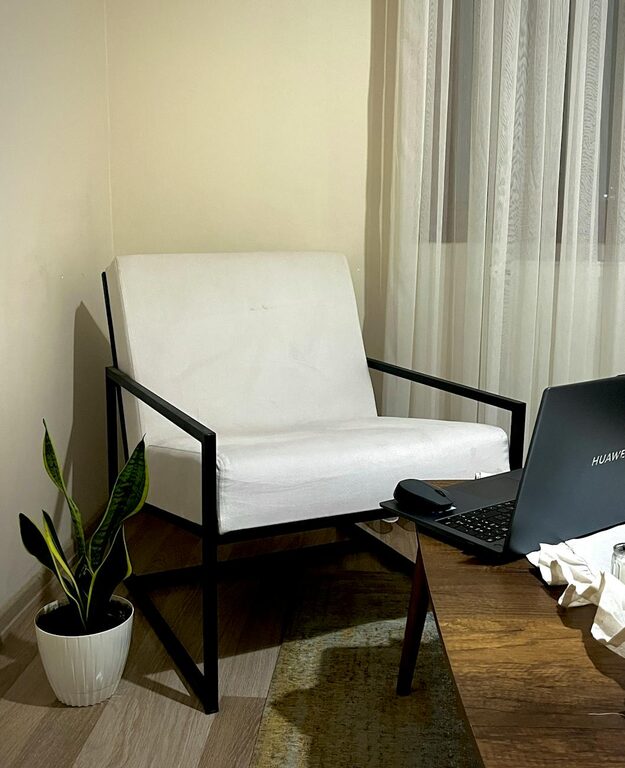
Creating a home workspace that feels both cozy and inviting can make a significant difference in your productivity and overall work experience. Whether you work remotely, freelance, or just need a dedicated spot for personal projects, designing a comfortable and inspiring area is essential. Here are some helpful tips to transform your home workspace into a place you look forward to spending time in.
1. Choose the Right Location
The first step in setting up a cozy home workspace is selecting the right spot. Ideally, choose a quiet area with minimal distractions to help you stay focused.
– Natural light: Aim for a location near a window to take advantage of natural light, which can boost mood and reduce eye strain.
– Privacy: If possible, pick a space that offers some privacy to avoid interruptions.
– Space: Ensure there’s enough room for your desk, chair, and any equipment or materials you need.
2. Invest in Comfortable Furniture
Comfort is a key element of an inviting workspace. Sitting for long hours requires a supportive chair and a desk that fits your needs.
– Ergonomic chair: Look for a chair with good lumbar support, adjustable height, and comfortable padding.
– Desk size: Choose a desk that offers enough surface area for your computer, documents, and other essentials without feeling cramped.
– Footrest: Consider adding a footrest to promote good posture.
3. Personalize Your Space
Adding personal touches can make your workspace feel more welcoming and less sterile.
– Artwork and photos: Display a few meaningful pictures or artwork that inspire you.
– Plants: Greenery not only brightens the space but also improves air quality and has calming effects.
– Colors: Use colors that you find soothing or energizing, such as soft blues, greens, or warm earth tones.
4. Organize Efficiently
A cluttered desk can interfere with concentration and make your workspace less inviting.
– Storage solutions: Use shelves, filing cabinets, or baskets to keep supplies organized.
– Desk organizers: Trays, pen holders, and drawer dividers can help keep small items tidy.
– Cable management: Use clips, sleeves, or ties to keep cords neatly bundled and out of sight.
5. Optimize Lighting
Good lighting is essential for comfort and focus.
– Layered lighting: Combine natural light with overhead lighting and task lamps.
– Adjustable desk lamp: Choose one with adjustable brightness so you can direct light where it’s needed most.
– Avoid glare: Position your computer screen and lights to minimize glare and eye strain.
6. Control Noise Levels
Noise can be distracting, so finding ways to control it helps maintain a calm environment.
– Headphones or earbuds: Use noise-canceling devices if you’re in a noisy home.
– Soft materials: Add rugs, curtains, and cushions to absorb sound.
– White noise machines: These can mask distracting background sounds with soothing sounds like rain or waves.
7. Keep Essentials Within Reach
Having your most-used items close by saves time and keeps interruptions minimal.
– Frequently used supplies: Keep pens, notebooks, chargers, and planners on your desk or in nearby drawers.
– Water and snacks: Staying hydrated and energized is easier when you don’t have to leave your space often.
8. Include Break and Relaxation Elements
Encourage balance by incorporating small areas or items for relaxation.
– Comfortable chair or cushion: Add a spot to stretch or take a quick mental break.
– Inspiring books or magazines: Having reading material nearby can provide a quick escape.
– Aromatherapy: Use gentle scents like lavender or eucalyptus to create a calming atmosphere.
9. Maintain Your Workspace Regularly
Keeping your workspace clean and tidy helps sustain the cozy, inviting feeling.
– Daily tidying: Spend a few minutes at the end of each day organizing your desk.
– Weekly cleaning: Dust and vacuum your area to keep it fresh.
– Review and adjust: Periodically assess your setup and make changes to improve comfort and efficiency.
Final Thoughts
Designing a cozy and inviting home workspace doesn’t require a complete renovation. With thoughtful choices around location, furniture, organization, and personal touches, you can create an environment that supports both comfort and productivity. Take your time experimenting with different ideas to find what works best for you. Remember, the goal is to make a space where you feel motivated, relaxed, and happy to work every day.